Policy moves weekly. Know before you file.
Policy updates, pathway guides and draw analysis for people planning a move to Canada.
 Updates & Policy
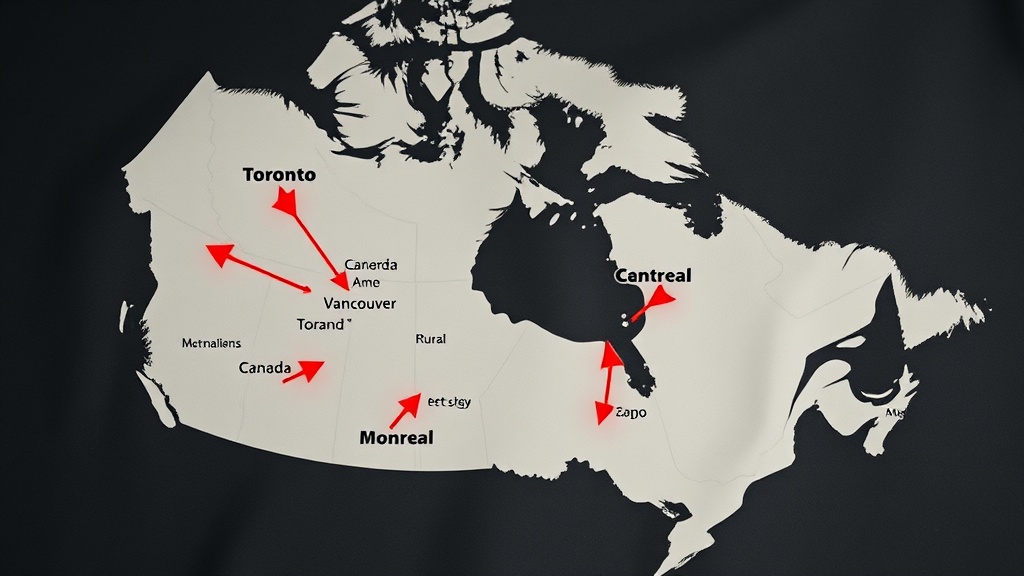
Understanding the Exclusion of Major Canadian Cities from the New TR to PR Pathway
This article examines the Canadian government's decision to exclude major cities like Toronto, Vancouver, and Montreal from the new Temporary Resident to Permanent Resident (TR to PR) Pathway. It discusses the shift in focus towards rural communities and the potential impact on temporary workers in urban areas.
 Updates & Policy
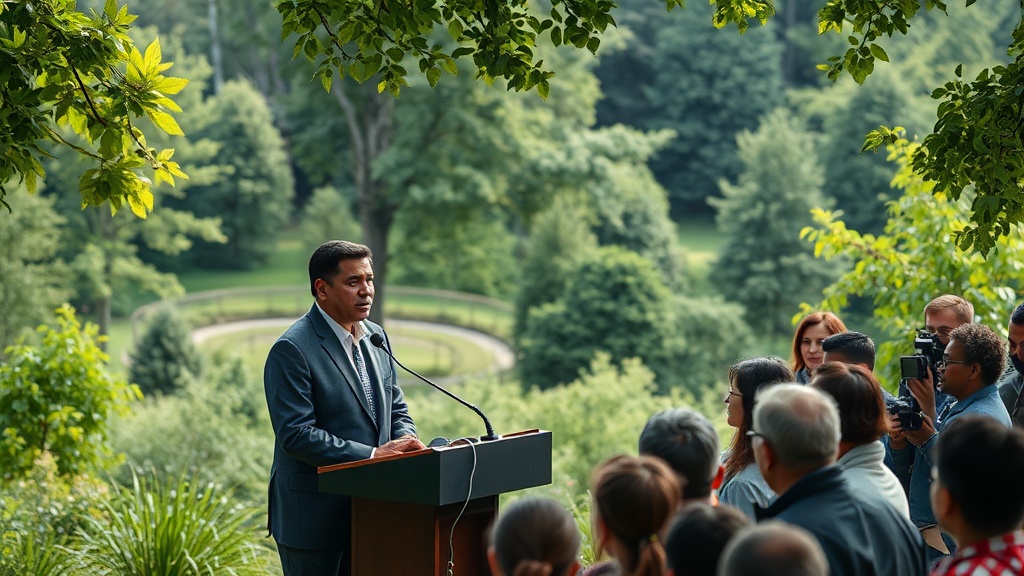
Exploring Canada's New Nature Strategy Unveiled at Rouge National Urban Park
The Honourable Gary Anandasangaree will present Canada’s latest environmental initiative, 'A Force of Nature: Canada’s Strategy to Protect Nature,' at Rouge National Urban Park. The strategy emphasizes the intersection of ecological restoration and Indigenous collaboration, marking a significant investment in protected areas. This event aligns with Canada's broader commitment to environmental sustainability, offering insights into future conservation modes.
 Updates & Policy
Ontario's Strategic OINP Draws on April 8, 2026: A Boost for Healthcare and Francophone Communities
This article examines the Ontario Immigrant Nominee Program (OINP) draws that took place on April 8, 2026, which issued 1,828 invitations to apply. These strategic draws targeted healthcare professionals, Francophone candidates, and participants in the Regional Economic Development through Immigration pilot. The implications of these large-scale draws are discussed in context of Ontario's priorities in filling healthcare and regional skill gaps.
 Updates & Policy
Latest Alberta Immigration Draws: Opportunities for Healthcare, Construction, and Manufacturing Sectors
The Alberta Advantage Immigration Program (AAIP) recently held five immigration draws targeting healthcare, manufacturing, and construction sectors. Between March 17 and March 27, 2026, over 290 invitations were issued in various streams, including the Alberta Express Entry and Dedicated Health Care pathways. This strategic approach aligns with Alberta's 2026 focus on enhancing the workforce in key industries.
 Updates & Policy
Canada Announces Overhaul of Express Entry System: What Immigrants Need to Know
The Canadian government, through Immigration, Refugees and Citizenship Canada (IRCC), plans to replace its current Express Entry system with a new streamlined program that aims to improve the immigration process. This new system is designed to create a more diverse pool of international talent to meet Canada's labor market needs.
 Updates & Policy
Understanding the Current Trends in IRCC Processing Times: April 2026 Update
The latest update from IRCC on April 7, 2026, reveals significant fluctuations in processing times for Canadian immigration applications. Notably, citizenship grant times have improved, while Quebec family sponsorship categories face increased wait times. This briefing provides a detailed breakdown of these changes, exploring implications for potential immigrants.
 Updates & Policy
New AAIP Fee: Understanding the Impact on Alberta's Worker Expression of Interest System
As of April 7, 2026, Alberta has introduced a $135 fee for foreign nationals submitting a Worker Expression of Interest (WEOI) through the Alberta Advantage Immigration Program (AAIP). This fee applies to various worker streams, marking a shift from the previously free submission process and indicating a broader trend in immigration management strategies. We delve into the potential impacts and considerations for aspiring immigrants.
 Updates & Policy
Government of Canada Invests in Modernizing FCNQ's Storage to Enhance Food Security in Nunavik
The Government of Canada has completed a significant project to modernize the storage facilities of the Fédération des coopératives du Nouveau Québec (FCNQ), investing close to one million dollars. This initiative enhances food security and access to affordable, fresh food in Nunavik's remote communities. The expanded warehouse in Montréal will improve logistics, reduce costs, and prevent stock shortages.
 Updates & Policy
Government of Canada Announces Support for Mauricie Businesses Amid Tariff Challenges
The Canadian government's Regional Tariff Response Initiative is designed to aid Mauricie businesses in diversifying markets and bolstering economic resilience amidst tariff challenges. Caroline Desrochers, MP, highlights the support tailored for these enterprises, strengthening their competitiveness and reducing economic risks.