Policy moves weekly. Know before you file.
Policy updates, pathway guides and draw analysis for people planning a move to Canada.
 Immigration Guides
Ottawa's '30 Days or Free' Passport Policy: What You Need to Know
This article explores Ottawa's new '30 days or free' policy for issuing passports—a federal move offering Canadians a refund if their passports take over 30 business days to process. The piece delves into the reasons for implementing this policy, public reaction, and how it affects Canadian citizens and permanent residents amidst increased pricing.
 Immigration Guides
A Comprehensive Guide for Newcomers: Navigating Registered Education Savings Plans (RESPs) in Canada
This guide helps newcomers to Canada understand the benefits and mechanics of Registered Education Savings Plans (RESPs), focusing on how they can be used for a child's future education. It explains contributions, different plan types, and government grants, making it easier for immigrants to grasp this essential financial tool.
 Immigration Guides
Navigating the Agri-Food Pilot's 2025 Application Cap: What It Means for Aspiring Permanent Residents
The article sheds light on the recent announcement by IRCC to cap applications under the Agri-Food Pilot at 1,010, marking the final stages of this influential program. It explores the implications for agri-food workers seeking permanent residency and evaluates alternatives given the demand and upcoming expiration in May 2025.
 Immigration Guides
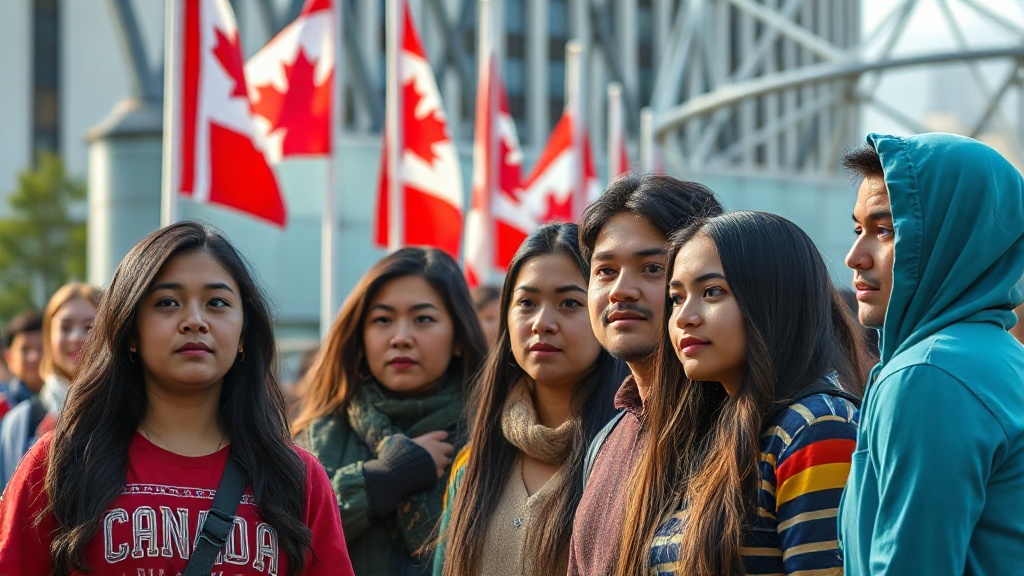
Strategic Shifts in Canada's 2025-2027 Immigration Levels Plan Revealed
The IRCC has unveiled the 2025-2027 Immigration Levels Plan outlining new targets for both temporary and permanent residents, aiming to align immigration levels with economic and community capacities. Key changes include setting targets for international students and temporary foreign workers and a projected decline in permanent resident admissions over three years.
 Immigration Guides
Canada Extends Work and Study Permit Opportunities for Ukrainian Nationals Amid Ongoing Conflict
In response to Russia's ongoing invasion of Ukraine, Canada has extended work and study permit measures for Ukrainians arriving before March 31, 2024. This initiative allows eligible individuals to apply for work permits valid up to three years, highlighting Canada's supportive role amid the crisis.
 Immigration Guides
Canada Introduces New Public Policy for Hong Kong Nationals Awaiting Permanent Residence Decision
On May 7, 2024, Canada announced a new temporary public policy to assist Hong Kong nationals who have applied for permanent residence and are facing prolonged processing times. This policy allows them to extend their temporary status in Canada through open work permits while they await a decision. This policy remains valid for 5 years, facilitating continuous legal status through maintained status options, especially for in-Canada graduates and those with Canadian work experience.
 Immigration Guides
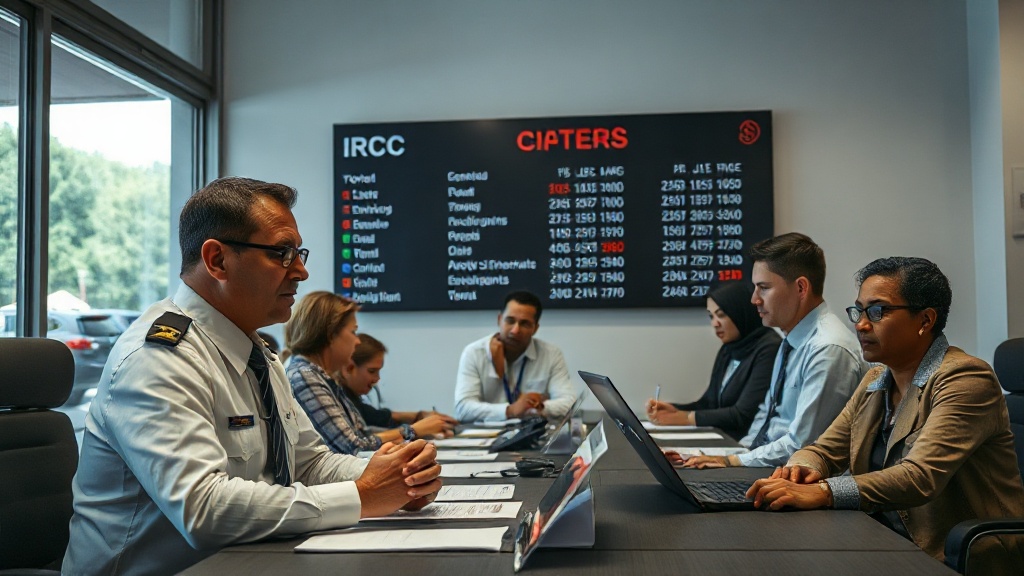
Canada Enhances IRCC Processing Time Estimates with Forward-Looking Models
Immigration, Refugees and Citizenship Canada (IRCC) has announced significant improvements to its online processing times tool. Now offering forward-looking processing estimates, the tool aims to provide more realistic timelines for applicants of various immigration programs including Express Entry and spousal sponsorships. This upgrade is set to improve planning for applicants by offering monthly updated, transparent timelines.
 Immigration Guides
Understanding the Reopening of Canada's Parents and Grandparents Program 2023
Canada is reopening its Parents and Grandparents Program in 2023 to accept up to 15,000 applications. Invitations will be sent in October to those who submitted interest in 2020 but didn't receive an invite in 2021 or 2022. This article examines the program's details, the strategic advice for applicants from the 2020 pool, and the benefits of the super visa option for those not selected.